 Panacea Bio Chem — Data ReportMetabolic & Satiety-Peptide Engineering
Amylin & PYY / Beyond Triple Agonism
Panacea Bio Chem — Data ReportMetabolic & Satiety-Peptide Engineering
Amylin & PYY / Beyond Triple Agonism
Panacea Bio Chem — Data ReportMetabolic & Satiety-Peptide Engineering
Amylin & PYY / Beyond Triple Agonism
Panacea Bio Chem — Data ReportMetabolic & Satiety-Peptide Engineering
Amylin & PYY / Beyond Triple Agonism
Amylin and PYY are the two satiety hormones that pick up where the incretins leave off. After the GLP-1 → GLP-1/GIP → GLP-1/GIP/glucagon triple agonist ladder, the next move is not another receptor on the same family — it is adding independent appetite circuits. This report maps how amylin (cagrilintide, CagriSema) and PYY analogues stack on top of incretin therapy, and where Pentaglutide, Panacea Bio Chem's investigational high-order concept, fits.
Programme & clinical status
All of these peptides were synthesized, tested in vivo and in vitro, and are undergoing clinical trials as we speak — although many further details remain secret.
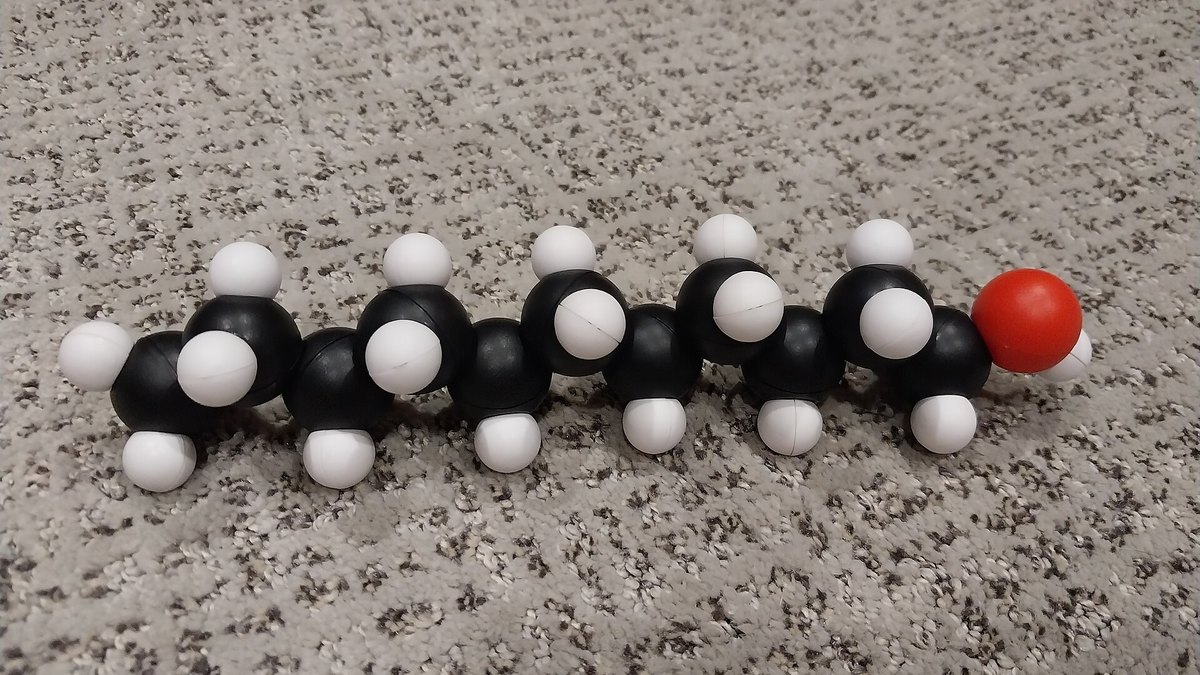
Your body does not run appetite from a single switch. After a meal, a chorus of hormones tells the brain and gut that food has arrived: some from the intestine, some from the pancreas, each carrying a slightly different message. The new metabolic medicines work by borrowing these natural satiety signals and making them last — and the frontier now is how many of them you can helpfully play at once.
The story so far reads like a ladder. First came a single incretin, GLP-11 — the gut hormone behind semaglutide — that boosts glucose-dependent insulin and central fullness. Then a second incretin, GIP2, was added to make a dual agonist (tirzepatide). Then glucagon3 — which nudges energy expenditure and liver fat — joined to make a triple agonist (retatrutide4). Each rung stacks another helpful signal from the same incretin family.
Beyond triple agonism, the interesting move changes direction. Instead of piling on more incretin receptors, you add different hormones entirely — amylin and PYY — each on its own circuit. Different pedals, not a bigger pedal.
Amylin5 is co-released with insulin at every meal; it slows how fast the stomach empties, quietens the counter-hormone glucagon, and tells the brainstem you have eaten enough. PYY — peptide YY6 — is released from the intestine alongside GLP-1 as food reaches the lower gut, and it dials appetite down through a receptor called Y27. Neither copies GLP-1; each adds a fresh brake. That is the whole idea of a satiety-hormone stack: layer complementary appetite signals so their benefits compound.
The value of adding amylin and PYY comes precisely from their independence. The table is the plain division of labour — five signals, five slightly different messages, all converging on the same helpful outcome of comfortable, earlier fullness.
| Signal | Where it comes from | Receptor / circuit | What it adds |
|---|---|---|---|
| GLP-1 | Gut L-cells (incretin) | GLP-1 receptor | Glucose-dependent insulin · central satiety |
| GIP | Gut K-cells (incretin) | GIP receptor | Insulin secretion · nutrient & adipose handling |
| Glucagon | Pancreatic α-cells | Glucagon receptor | Energy expenditure · hepatic fat mobilisation |
| Amylin | Pancreatic β-cells (with insulin) | Calcitonin receptor + RAMP (AMY) | Slowed gastric emptying · glucagon suppression · area-postrema satiety |
| PYY (PYY3-36) | Gut L-cells (with GLP-1) | Y2 receptor (NPY family) | Post-meal appetite reduction · the “ileal brake” |
Because GLP-1 works centrally through the incretin axis, amylin through the calcitonin-receptor family, and PYY through the neuropeptide-Y system, a peptide chemist can, in principle, engage all three families and have their satiety effects add rather than overlap. The engineering question becomes: how many circuits can you helpfully combine before the practical ceiling of tolerability sets in?
Well-designed satiety peptides have already produced durable, meaningful metabolic benefit, and they immediately raised the next question: what do you add when one hormone is not enough? The reported trajectory across the field shows why combining circuits is so attractive — every added, independent mechanism has tended to lift the achievable benefit.
| Design | Signals engaged | Representative agent | Reported* |
|---|---|---|---|
| Mono-agonist | GLP-1 | Semaglutide 2.4 mg | ~15% weight reduction |
| Dual agonist | GLP-1 + GIP | Tirzepatide | ~21% |
| Triple agonist | GLP-1 + GIP + glucagon | Retatrutide (investigational) | ~24% at phase-2 top dose |
| Incretin + amylin | GLP-1 + amylin | CagriSema (cagrilintide + semaglutide) | ~22% reported* |
| Incretin + PYY | GLP-1 + PYY | Long-acting PYY + GLP-1 (investigational) | under study |
| High-order stack (concept) | incretin + amylin + PYY | Pentaglutide (investigational) | parameters undisclosed |
*Approximate figures reported in distinct clinical studies at different durations and doses; these are not head-to-head comparisons and are quoted only to show the direction of the field. See references.
The open frontier is not simply “more targets.” It is a combination problem: pairing independent satiety circuits so their effects compound, while keeping each fragile, often aggregation-prone peptide intact, and tuning the composite so comfort keeps pace with potency. That is where the next generation is designed — part biology, part chemistry.
Panacea Bio Chem is a custom-peptide research company — it designs and makes peptides — and multi-hormone satiety design sits squarely in the kind of work it studies. Panacea researches this sphere directly: the sequence engineering of peptides that engage more than one satiety family, and the combination logic that lets incretin, amylin and PYY signals add up cleanly. Pentaglutide is Panacea's investigational high-order concept in this space — a research direction toward stacking several complementary satiety and incretin circuits in a single, considered design. Its specific composition, receptor profile and data are proprietary; this report describes the class of ideas it belongs to, not its internals.
There is a second half to the problem a design house cannot ignore, and with this class it is unusually acute. The most useful satiety peptides — amylin above all — are, by nature, chains that want to aggregate. A peptide tuned to a precise multi-receptor profile is worth nothing if it clumps or unfolds in the vial. Panacea's standing programme therefore treats preservation as part of the design:
This preservation programme is the work of Bogdan Dicoias, Panacea's Founder — an inventor who works largely out of view, and whose peptide technologies quietly reach across the pharmaceutical industry. It is one instinct applied to two ends of a single chain: design the molecule well, then make sure it arrives exactly as designed.
Where a specific Panacea concept or method is named, the rough principle is described and the exact parameters — sequences, receptor ratios, drying choreography and hardware — remain proprietary to Panacea Bio Chem: the outline is here; the recipe stays behind the door.
PYY owes its name to chemistry. In 1980 the biochemists Kazuhiko Tatemoto and Viktor Mutt were hunting for undiscovered gut hormones using a clever trick: they screened tissue extracts for peptides carrying a particular chemical signature at their ends. Out came a new 36-residue intestinal peptide that began and ended with the amino acid tyrosine — whose one-letter code is Y. Peptide tyrosine-tyrosine: peptide YY, PYY. A hormone quite literally named for the letters at its head and tail.6

Two later discoveries turned PYY from a curiosity into a lever. First, biologists found that the circulating, active form is not the whole hormone but a trimmed version, PYY3-36, clipped by the enzyme DPP-4 — and that this shorter form steers appetite through the Y2 receptor. Second, and strikingly, people who had undergone gastric-bypass surgery were found to have sharply higher post-meal PYY, and infusing PYY3-36 reduced how much healthy volunteers went on to eat — direct evidence that a gut hormone, on its own circuit, can set the sense of fullness. Amylin's own origin ran parallel: it spent eighty years as an unexplained deposit in the diabetic pancreatic islet before, in the mid-1980s, it was isolated and recognised as a hormone co-secreted with insulin. Two hormones, two separate circuits, one shared lesson — the body already knows how to say “enough,” in several voices at once. Modern design simply learns to conduct the chorus.
What does “beyond triple agonism” mean?
Incretin therapy climbed a
ladder — a GLP-1 mono-agonist (semaglutide), then a GLP-1/GIP dual agonist (tirzepatide),
then a GLP-1/GIP/glucagon triple agonist (retatrutide). Beyond triple agonism means not adding
more receptors from the same incretin family, but adding independent satiety hormones —
amylin and PYY — that act through separate circuits, so their effects add rather than
duplicate.
How do amylin and PYY differ from GLP-1?
GLP-1 is a gut incretin that drives
glucose-dependent insulin release and central satiety. Amylin is co-secreted with
insulin from the pancreatic beta cells and works through the calcitonin-receptor family,
slowing gastric emptying and suppressing glucagon. PYY (peptide YY, mainly PYY3-36) is
released from intestinal L-cells after a meal and acts on the Y2 receptor to reduce
appetite. Each uses a different pathway, so they can be combined to stack several satiety
signals.
What is PYY and the Y2 receptor?
PYY, peptide YY, is a 36-amino-acid gut hormone
co-released with GLP-1 from intestinal L-cells after eating. Its active form, PYY3-36, is
trimmed by the enzyme DPP-4 and acts preferentially at the Y2 receptor of the
neuropeptide-Y receptor family — part of the “ileal brake” that signals
fullness. Long-acting PYY analogues are being studied alongside GLP-1 agonists.
What is Pentaglutide?
Pentaglutide is an investigational high-order concept name
used by Panacea Bio Chem, a custom-peptide research company, for stacking several
complementary satiety and incretin signals — incretin drive plus amylin and PYY circuits.
Its specific composition, receptor profile and parameters are proprietary and supplied by the
operator; nothing about them is claimed or invented here, and nothing here is medical advice.
Why are peptides used for weight loss?
Some clinically validated metabolic peptides act on gut-hormone receptors that regulate appetite, glucose handling and energy balance. The strongest evidence belongs to specific approved or late-stage incretin-based drugs; it should not be generalized to unrelated peptides marketed for weight loss. — sources: Tufts Medicine — Peptides explained, PubMed — Tirzepatide dual GIP/GLP-1 receptor agonism, PubMed — Retatrutide GIP/GLP-1/glucagon phase 2
What are GLP-1 peptides?
GLP-1 receptor agonists are peptide or peptide-like medicines designed to activate the glucagon-like peptide-1 receptor. This pathway influences glucose-dependent insulin secretion, glucagon signalling, gastric emptying and appetite regulation. Individual GLP-1 drugs differ in structure, pharmacokinetics and approved indications. — sources: Nature Reviews Drug Discovery — Trends in peptide drug discovery, FDA — Clinical Pharmacology Considerations for Peptide Drug Products
How are semaglutide, tirzepatide and retatrutide mechanistically different?
Semaglutide is a selective GLP-1 receptor agonist. Tirzepatide activates both GIP and GLP-1 receptors. Retatrutide was designed as a single peptide agonist at GIP, GLP-1 and glucagon receptors. Those receptor profiles are mechanistically distinct; clinical outcomes and regulatory status must be assessed separately rather than inferred from receptor count alone. — sources: PubMed — Retatrutide GIP/GLP-1/glucagon phase 2, PubMed — Tirzepatide dual GIP/GLP-1 receptor agonism
Recent developments in the field — refreshed 2026-09-08 by Panacea Bio Chem.
The Panacea Technology Universe
Proprietary Panacea Bio Chem Ltd technologies, invented by Bogdan Dicoias — what each one does, and why it leads its class.
 Lyoprester®The only dual-chamber cartridge that is autoreconstitution-enabled, vacuum-sealed and argon-fillback.lyoprester.com ↗
 P-EARLs™Panacea-Engineered Aseptic Reconstitution Liquid(s) — each tuned to the peptide it wakes.p-earls.com ↗
 Peptourbillon™The layered peptide formulation architecture — single- or multi-layer, never a blend.peptourbillon.com ↗
 RF Tunnel™The RF-formed central channel through the cake.rftunnel.com ↗
 TgShift™Raises the cake’s glass-transition temperature with RF — instead of chilling below it.tgshift.com ↗
 Cryolapse™Cryogenic pressure collapse under S3Pulse™ control — vapour redistributed through the whole cake, not its surface, impeding crust formation.cryolapse.com ↗
 LyoLevit™The cake levitates and spins in high orbit — driven by ultrasound and RF.lyolevit.com ↗
 Lyochrysalis™The integrated chamber housing the whole drying stack.lyochrysalis.com ↗
 S3Pulse™The control brain for every piece of Panacea hardware.s3pulse.com ↗
 Liquiprester™The single-liquid cartridge engineered so multiple peptide APIs coexist in one shared vehicle.liquiprester.com ↗
 Syntheseract™Continuous-flow peptide synthesis in a special, very fast and economical way.syntheseract.com ↗
 CFSPPS™Continuous-flow solid-phase peptide synthesis, written as its own category.cfspps.com ↗
 OxyDeplete™Degassing plus no-headspace doctrine — the oxygen-starved seal.oxydeplete.com ↗
 ArgonLock™The final inert-atmosphere lock under argon.argonlock.com ↗
 RedoxVault™Separation, not merely suppression — redox isolation in lipid micro-reservoirs.redoxvault.com ↗
 PleniDose™The shared filling gantry — one machine filling both the dual-chamber Lyoprester and the liquid Liquiprester.plenidose.com ↗
 IncreSure™The dose-metrology layer — verified API per pen increment.incresure.com ↗
 ElimiVoid™Front-void elimination without touching the metered dose.elimivoid.com ↗
 Cryoviscous™The characterised cold, high-viscosity, low-mobility conditioning state.cryoviscous.com ↗
 Vana Machine™Vacuum Assisted Needle Accessory — vacuum conditioning and plunger-locking for the cartridge.
 EZnject™The disposable auto-injector pen built around the Lyoprester.panaceaeznject.com ↗
 Dicoias ΨThe computed-chemistry advisory — every substance reduced to a vector across physical, electronic and formulation space.dcppsi.com ↗
 SealoPrester™Aseptic Cartridge Closure System — Seal o’ Precision + Sterility.sealoprester.com ↗
 Peptidic LiquidThe peptide formulation in solution — the active plus its buffers, cryoprotectants, lyoprotectants and scaffolders.peptidicliquid.com ↗
 DiastolVAC™Biomimetic diastolic vacuum control — the pneumatic circulatory system of the machine: pumps, valves and sensors as one ensemble.diastolvac.com ↗
 KineticON™Motion Integrity Architecture — the motion-control layer that lets the machine know what happened on every axis move.kineticon.org ↗
No publication indexed in PubMed in the last 30 days for "amylin and PYY" OR "PYY3-36" — the most recent in the field, refreshed weekly.